For planning only. A licensed clinician decides diagnosis and treatment. If symptoms may be urgent, use emergency services. Hospital access, fees, and insurance decisions come from the relevant organizations.
Before entering the hospital
Use the campus and arrival point named in the appointment record. Large hospitals often have several gates, outpatient buildings, and registration systems. Arrive early enough to locate the correct desk, create or retrieve the patient record, and resolve an identity or payment issue before the consultation.
Carry the same passport or other identity document used in the booking, the appointment reference, a short clinical summary, medicine and allergy lists, records requested by the department, an insurer authorization if applicable, and a payment backup. Keep the patient name consistent across registration, bills, reports, and insurance paperwork.
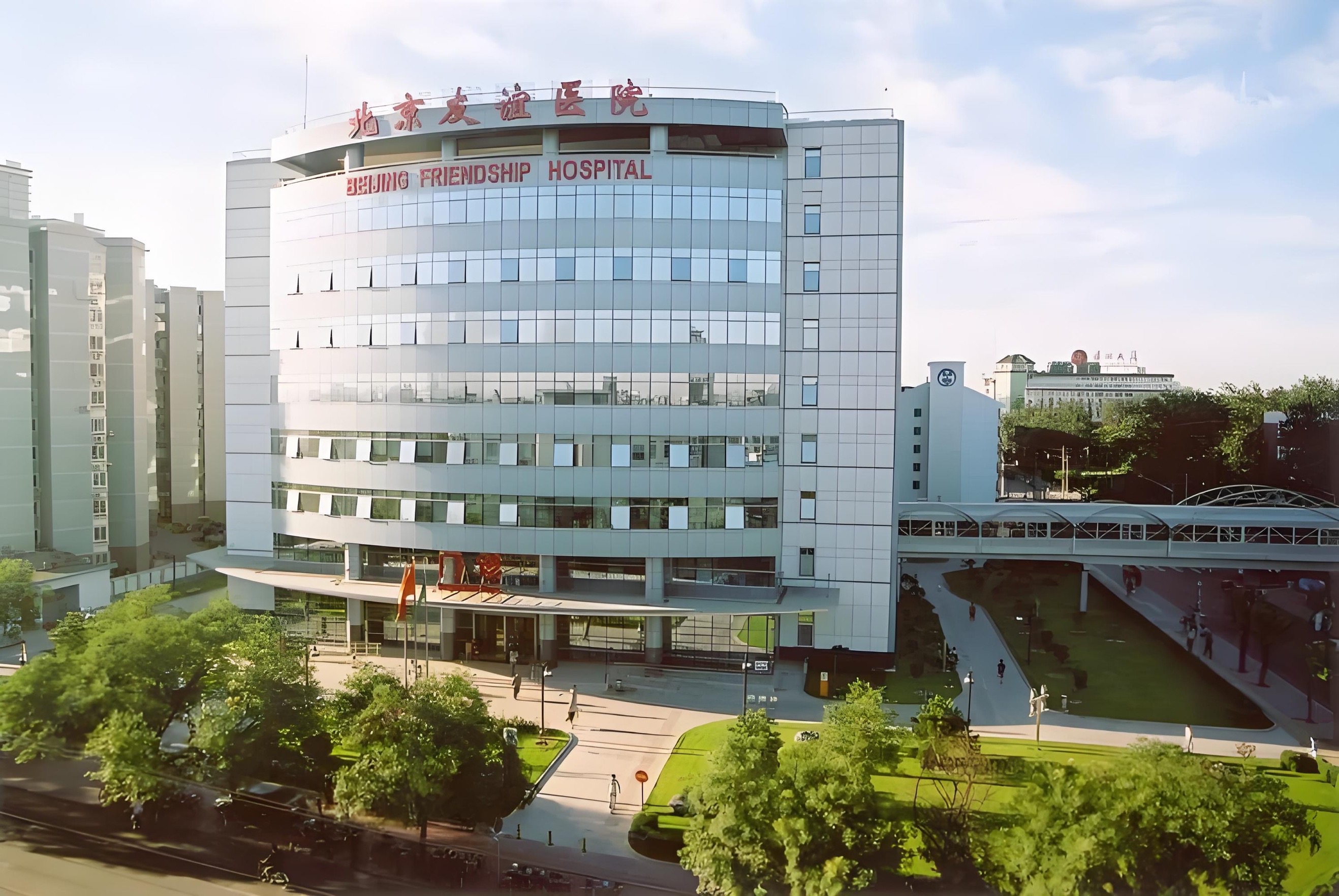
Sources[1]Beijing Municipal Government: Medical Guide for Foreigners in Beijing[2]Beijing Municipal Government: Beijing Friendship Hospital international medical services
The usual day-of sequence
- 1
Arrival and wayfinding
Go to the named building or international service desk. Show the appointment record instead of relying on a map pin or the hospital's main entrance.
- 2
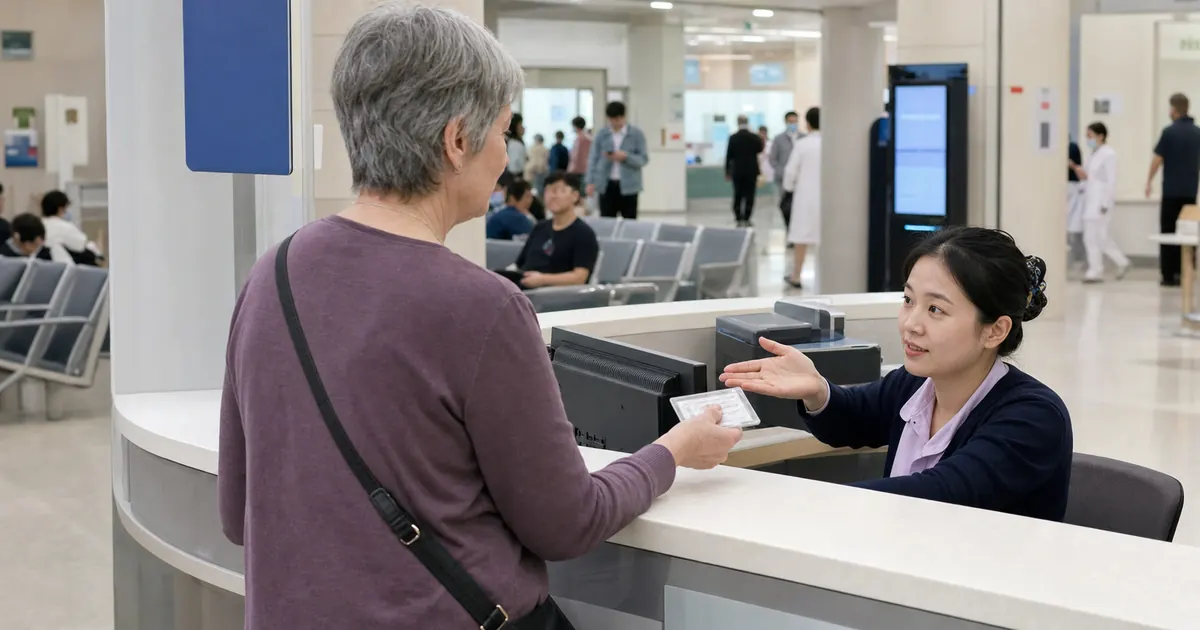
Registration
Present the accepted identity document and create or retrieve the hospital patient number. Check the spelling of the name, date of birth, department, and appointment.
- 3
Consultation payment
Some hospitals collect the consultation charge before the visit. Keep the receipt and ask where later tests are paid: the same desk, a self-service terminal, an app, or another cashier.
- 4
Clinical consultation
Give the clinician the one-page summary and answer questions in the patient's own words. Use the interpreter for accurate communication, while diagnosis and treatment discussion remain between the patient and clinical team.
- 5
Tests or imaging
A test order often requires payment, scheduling, preparation, and a visit to another department. Find out if it happens that day, when results are expected, and if the patient returns to the clinic afterward.
- 6
Pharmacy or treatment desk
Match the medicine name, dose, route, and duration to the prescription. If labels or instructions are not understandable, request an explanation before leaving.
- 7
Reports and billing
Collect available reports, image access instructions, prescriptions, and itemized receipts. Record which results are pending and where they will appear.
- 8
Follow-up
Leave with the next appointment or booking instructions, the department contact, and a plan for sharing results with a clinician at home.
Sources[1]Beijing Municipal Government: Medical Guide for Foreigners in Beijing[3]Guangzhou Municipal Government: Medical services in Guangzhou
Expect more than one payment step
Outpatient workflows often separate registration, consultation, tests, medicines, and procedures. A payment method listed for the hospital as a whole is not necessarily available at every counter. Beijing's official foreign-patient guide, for example, publishes several payment methods and describes direct billing for eligible arrangements; the details still depend on the hospital service and insurer.
Direct billing is not the same as showing an insurance card. If authorization has not reached the hospital or the service falls outside the arrangement, the patient may need to pay and claim later. Keep each order, receipt, itemized invoice, and proof of payment together until the insurer has completed the claim.
Sources[1]Beijing Municipal Government: Medical Guide for Foreigners in Beijing
Make the consultation easy to follow
Open with the main question and a chronological summary, then let the clinician direct the history and examination. If several relatives attend, choose one person to track logistical tasks so the conversation does not split into competing versions. Make space for the patient to speak privately when sensitive information or consent is discussed.
Before the consultation ends, restate the plan in plain language: what the clinician thinks is known, what remains uncertain, what is being ordered, what happens after the result, and which changes would require earlier medical attention. This “teach-back” is a comprehension check, not a request for a new clinical opinion.
Do not leave pending results ownerless
Results arrive through different channels: an app, printed kiosk, department desk, email, or later consultation. Write down the expected channel and date for every pending item. If the hospital requires a review appointment, book it before travel plans make that impossible.
For care continuing outside China, obtain a usable visit summary and the original-language report. A translated summary supports handover but does not replace the source document. Keep the hospital patient number and record-request contact.
- Visit note or discharge-style summary
- Prescription and medicine instructions
- Laboratory, imaging, pathology, and procedure reports available that day
- Instructions for every result still pending
- Itemized bill, receipts, and insurer forms
- Next appointment or follow-up contact